Forget Los Angeles or London, America’s Gold Coast is revitalising nightlife.
Just over the bridge from South Palm Beach—a 179-acre island hosting the private homes of 70 billionaires and the occasional sitting president—sits an old bait ‘n’ tackle shop. The building is unassuming, a far cry from the pink-hued paradise of The Colony Hotel or the fern-draped glamour of LoLa 41, a Michelin-recognised spot famed for ejecting rowdy Real Housewives. Yet, at midnight on a Thursday, a gaggle of well-dressed women hovers outside. They aren’t here for lure or line; they’ve come for the club.
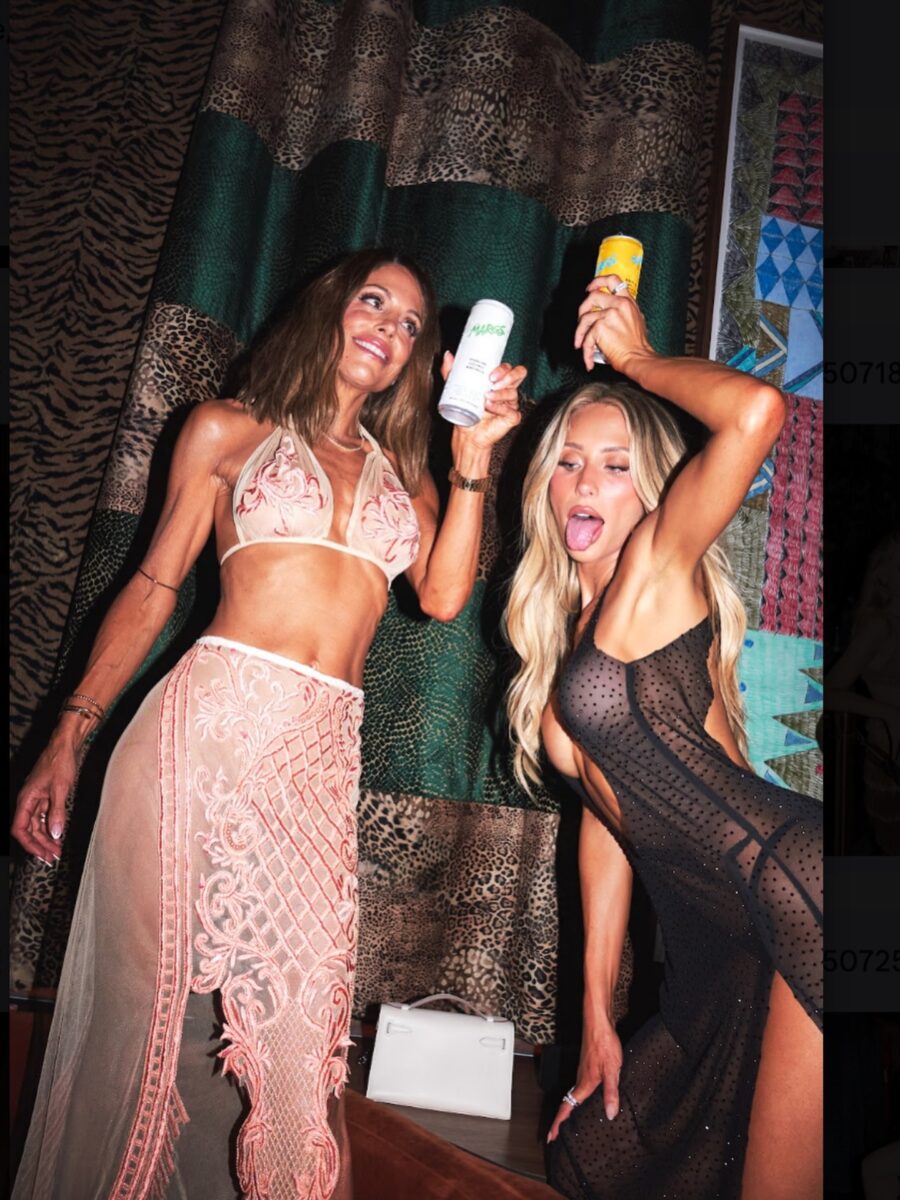
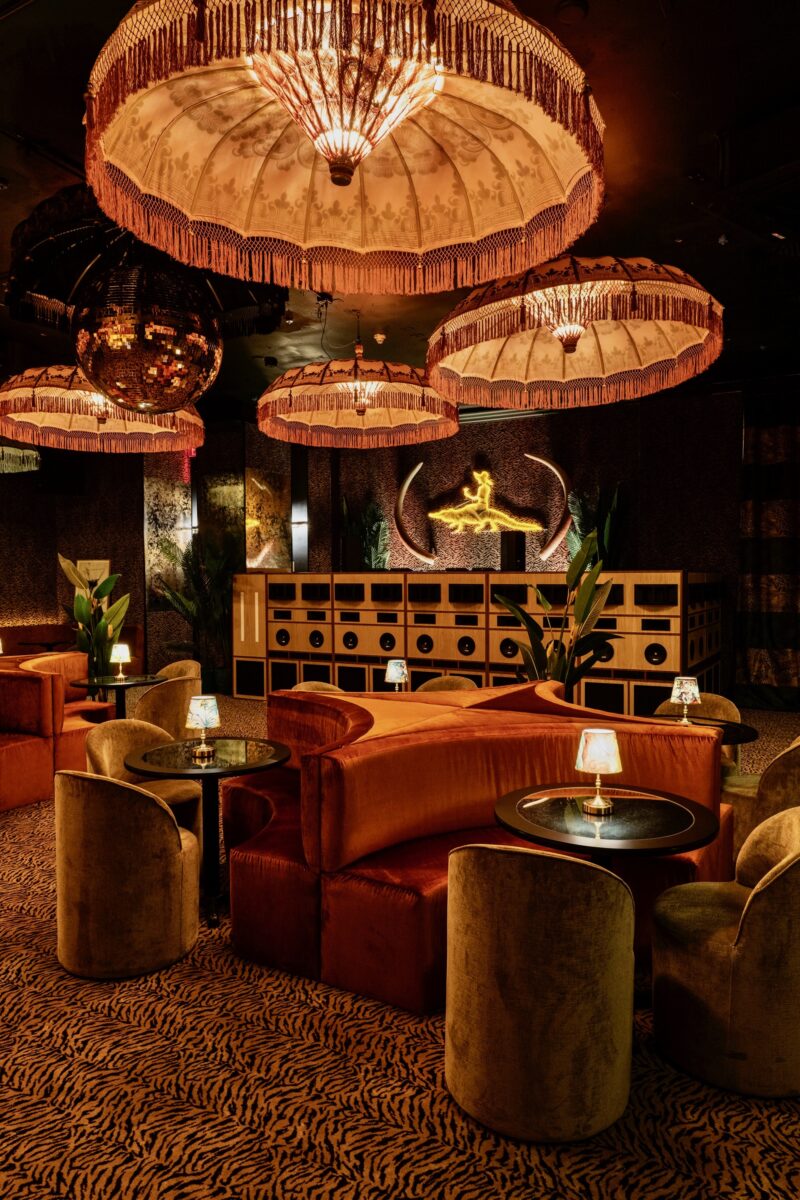
From Berto’s Bait ‘n’ Tackle was born West Palm Beach’s most coveted nightlife reservation: MaryLou’s. Clad in textured cheetah print and surrealist art, the venue is currently playing host to a massive influx of tourists in town for Miami Swim Week in May, and now, the 2026 FIFA World Cup (Miami hosted the quarter finals). But the ol’ bait shop isn’t the only MaryLou’s location flooding tonight. An hour south, tucked behind the lobby of the W Hotel in South Beach and through a nondescript side door, MaryLou’s Miami rages until the wee hours. Beyond the name and decor, the two spots are linked by a singular tagline: “Nothing is what it seems.”
‘If you know, you know’ club culture gaining traction mirrors an historical cycle. In 1920, as a post-pandemic United States moved to conserve grain, Prohibition forced nightclubs underground. Today, in a post-pandemic state of Internet-induced malaise, clubs like Mary Lou’s have been forced to get similarly creative—taking an IYKYK approach to attracting patrons. In New York, Jeans offers a blink-and-you’ll-miss-it basement club beneath a restaurant; in Hollywood, No Vacancy escorts A-listers through a pseudo-hotel facade. Even Delilah, the cocktail bar beloved by celebrities, welcomes guests under a reader board that cheekily insists there is “NOTHING TO SEE HERE.”
Zillennials, perpetually scarred by the threat of “cringe,” have been gravitating toward this brand of exclusivity for some time. In a digital world, a blue checkmark or a Coachella photo dump is arguably more status-stimulating than a legacy luxury bag. The fear of looking silly—on or offline—has further complicated our relationship to nightlife. Women might be deferring motherhood at record rates to optimise a lifestyle free of dependents, but the “Saturday Night Fever” of old is said to be fading in favour of face masks and manifestation. Even Charli XCX argued the dance floor is dead.
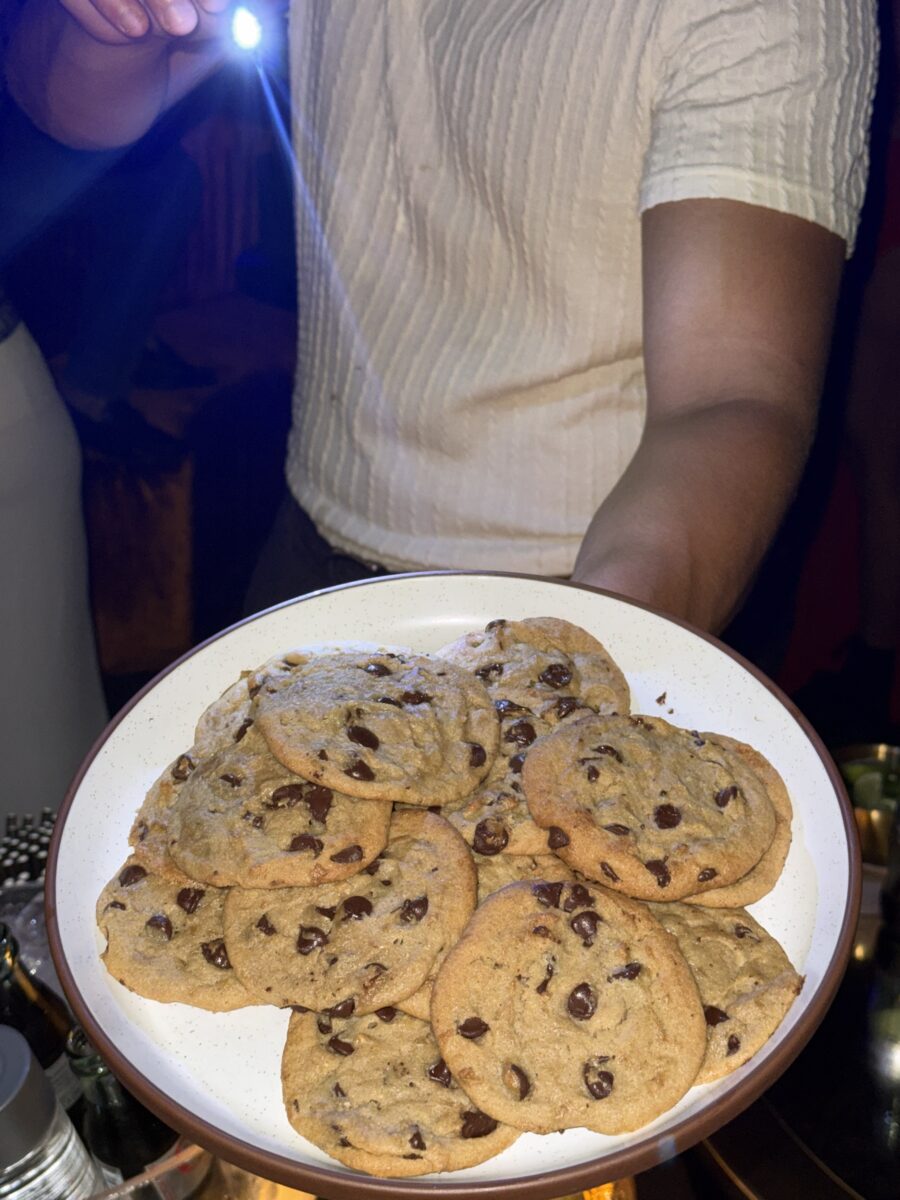
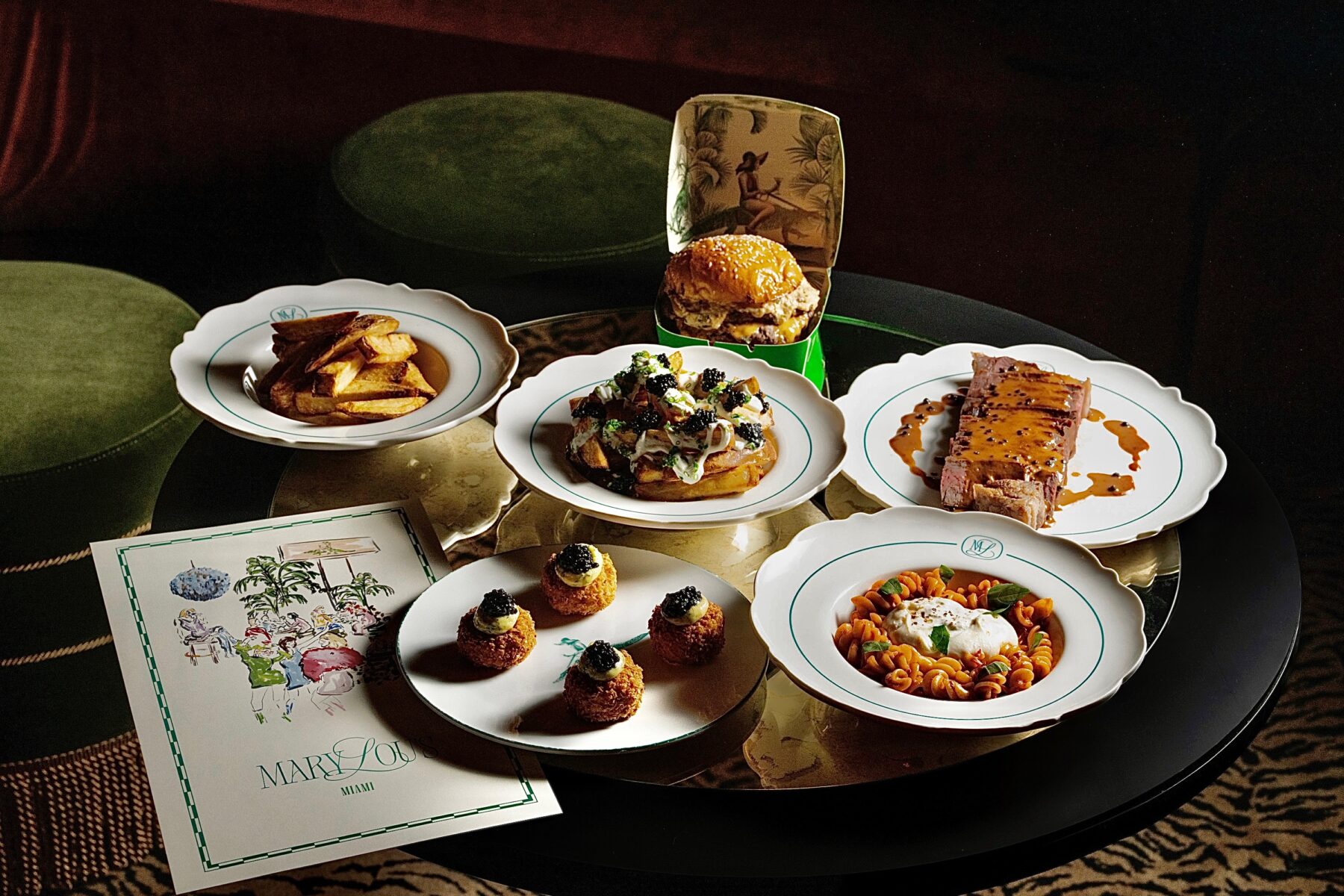
Hiding in plain sight has proved essential for MaryLou’s, whose high-profile fans include the likes of Tom Brady, Brooks Nader and Alix Earle, but it’s a difficult balance to strike: creating cultural cache while denying access to reality TV camera crews. Like Delilah, their business model includes a culinary bait-and-switch: come for the caviar-laden chicken nuggets, truffled grilled cheese, maybe the best steak in the tri-state area…and stay for the music. But when the servers trade their gowns for belly-baring two-pieces and international DJs like Bedouin take the decks, how can they not?
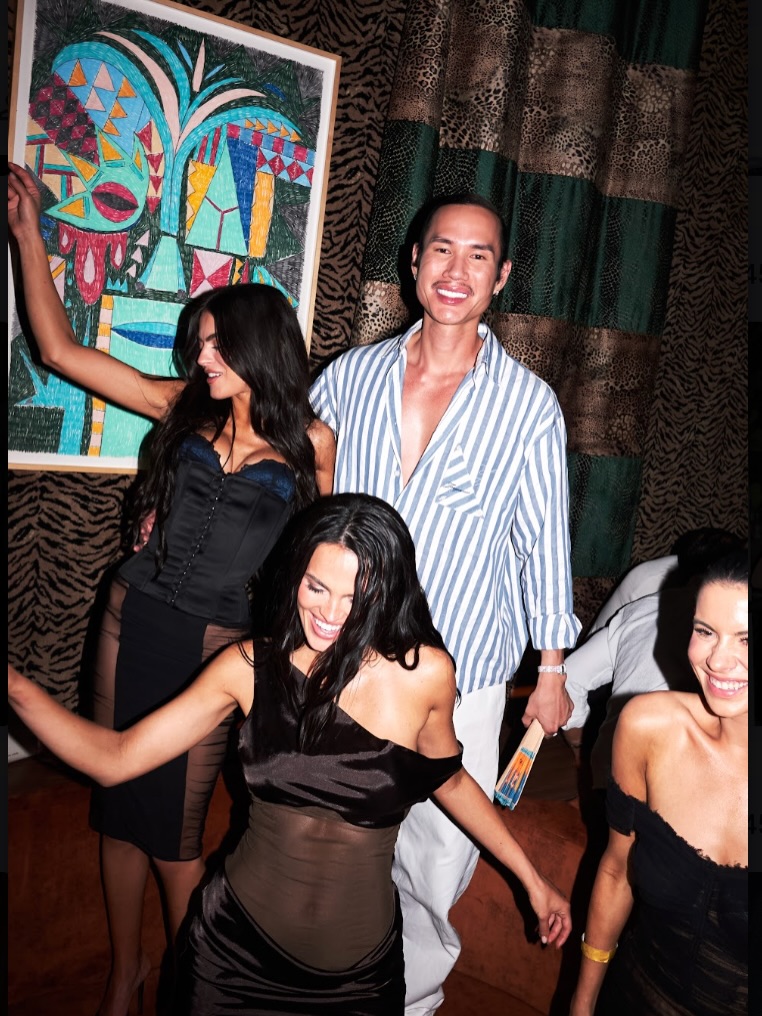
It begs the question of whether a space like MaryLou’s is successful because of Miami, or Miami has become America’s party capital because of spaces like MaryLou’s. Back in Prohibition, the proximity of the Bahamas (rum) meant Florida became the premier entry point for illegal spirits, with local leaders viewing alcohol as a necessary attraction for tourism. Charli XCX might believe clubbing has flatlined, but she’s not regularly posted up in south Florida like Miami Music Week’s golden boy John Summit, who took to his Instagram story to declare her out of touch.
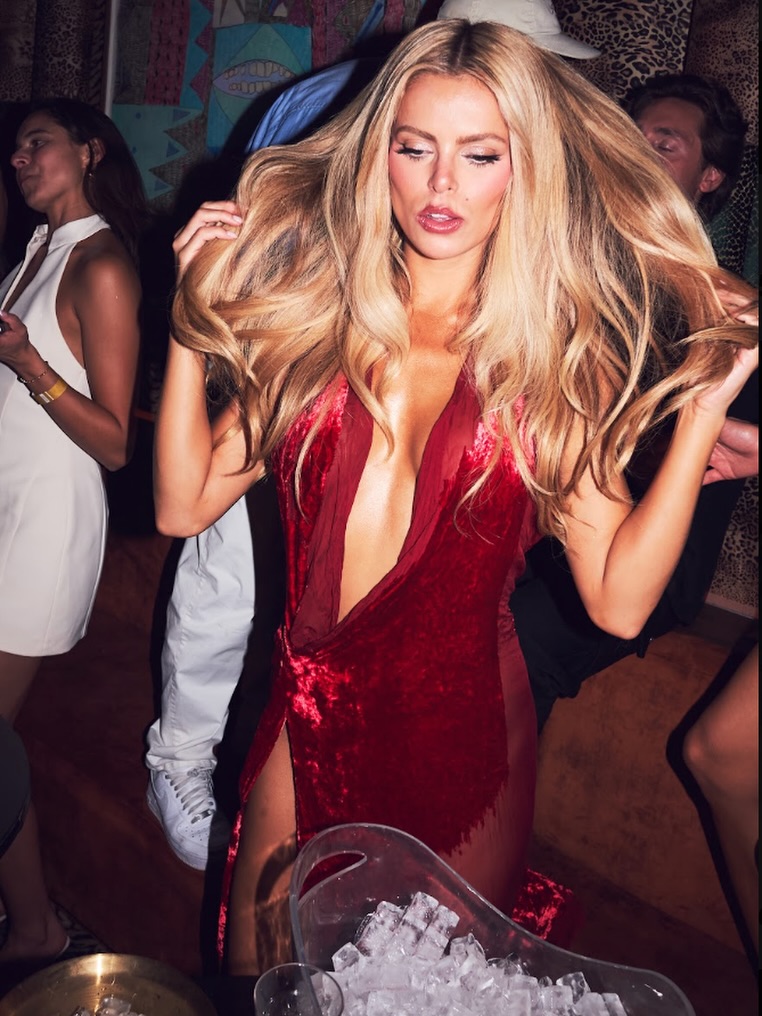
At around 1:00 A.M., at a corner table of MaryLou’s Palm Beach, a group of women came up to a friend and I and asked if we were going to dance. Apparently, we’d been talking for too long, and skirting our responsibility to the DJ. We obliged, getting up and following to the dulcet tunes of a Justin Timberlake house remix. By the time we returned, no less than 12 girls and gays had claimed our former section, standing on sofas, hair and arms flying with abandon. Between the bandage dresses and absence of iPhones flashing, we might have time-traveled to 2009.
Perhaps that is the true distinction of club culture on the Gold Coast. It’s still a landscape saturated with the world’s most recognisable faces, but there’s a refreshing lack of the rigid social hierarchy found in Los Angeles or London. In those cities, the night often feels like a performance reviewed in real-time; whereas the Miami speakeasy offers a sanctuary to be anyone you want to be. Because true luxury isn’t just about what you can afford, but where you can disappear. Provided, of course, you know exactly which door to pull.
Words by Beatrice Hazlehurst


