As heartwarming Hikari-directed comedy-drama Rental Family hits UK cinemas, Japanese actor and journalist Mari Yamamoto sits with Wonderland for a candid conversation about the real Tokyo, her co-star Brendan Fraser, and pop duo Pink Lady.

It’s mid-October, and the 2025 BFI London Film Festival is in full swing. I’m at the Soho Hotel, specifically the suite of Japanese actress and journalist Mari Yamamoto. We’re sitting together on the plush couch that centres her private quarters, in a slender black dress. She is soft-spoken, and her warm presence is immediately inviting.
Yamamoto is here to promote her new film Rental Family, perhaps the most wholesome showcase in the entirety of last year’s festival contenders. It is a sweet reflection of her modest star persona, for a tender project concerned with the quiet beauty of human connection, she makes a perfect mascot.
Fans of the Godzilla TV show Monarch: Legacy of Monsters will recognise Yamamoto from her role as the scientist Keiko, as well as Hana in Pachinko, the Apple TV+ adaptation of bestselling author Min Jin Lee’s Dua Lipa-approved novel. She returns to the silver screen, following 2021’s Kate, with a precious role opposite Academy Award winner Brendan Fraser (The Whale, The Mummy). Under the guidance of Hikari, director of three episodes, including the pilot, of Netflix hit series Beef, Yamamoto captures loneliness and brings heart in abundance to a comedy-drama of understated sentimentality.
Set against modern-day Tokyo, Rental Family follows American actor Phillip Vanderploeg (Fraser), who struggles to find purpose following his success in an old toothpaste commercial. He lands a peculiar job: working for a Japanese “rental family” agency, playing stand-in roles for strangers as an immersive act of service in his clients’ worlds.


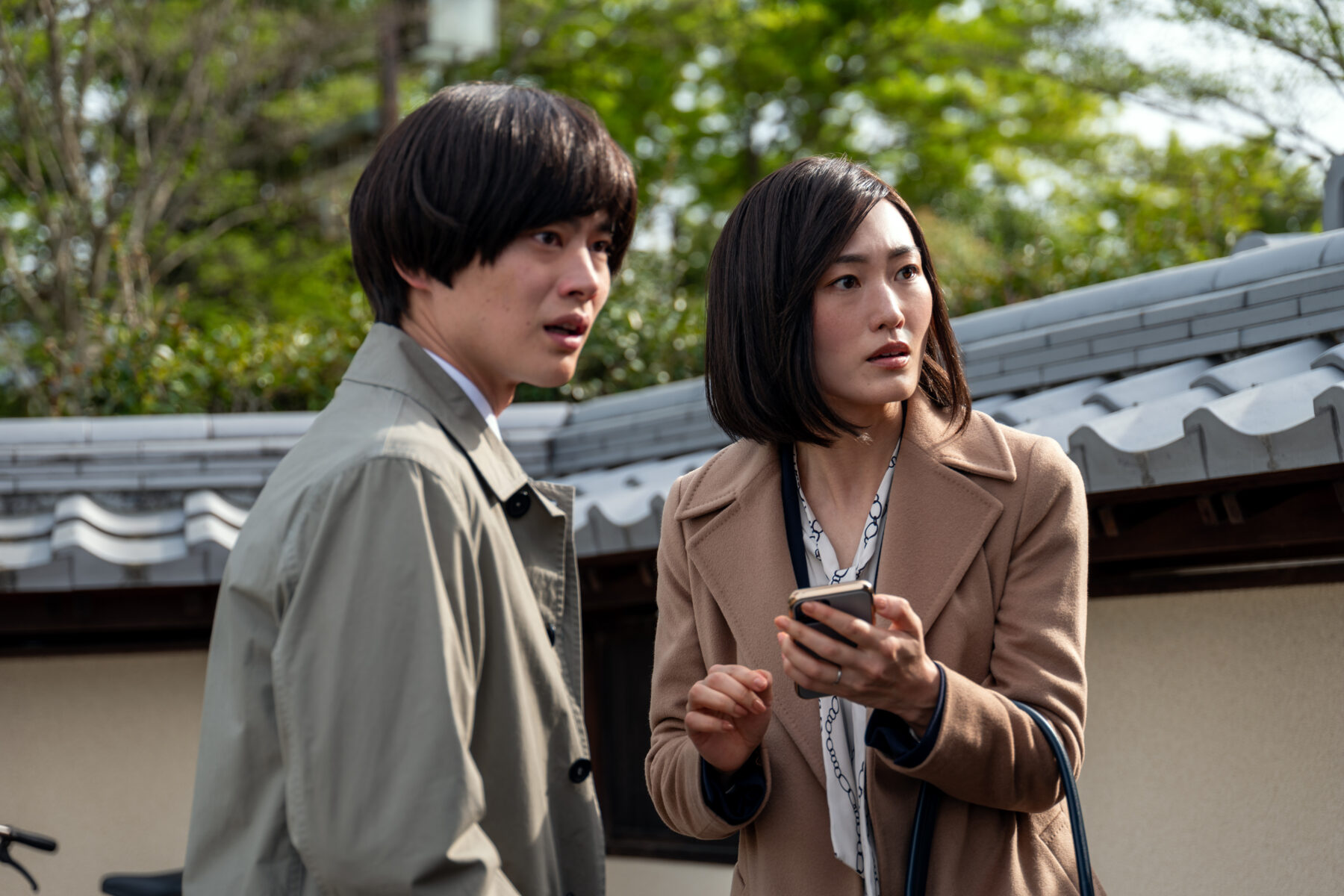
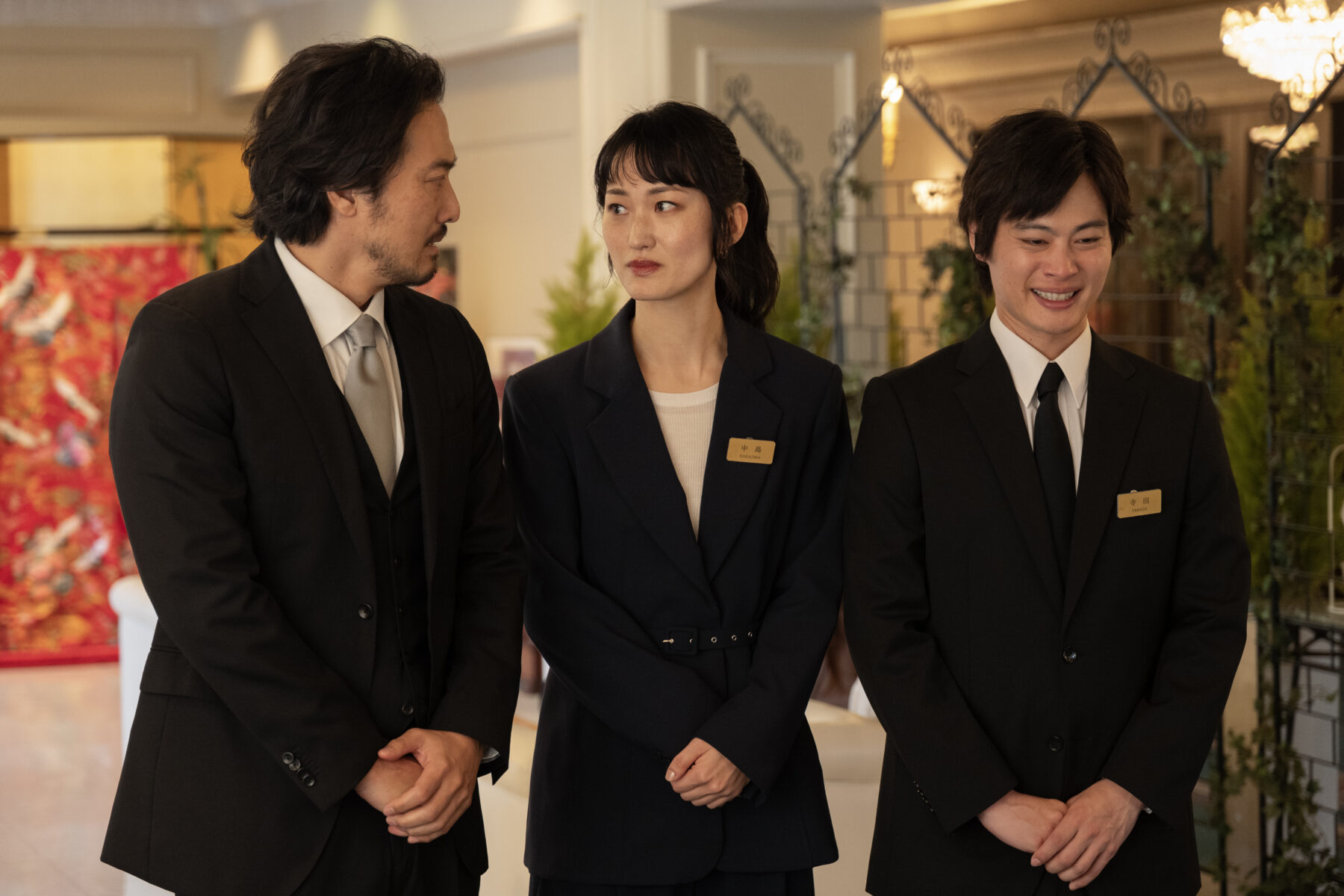
Yamamoto plays one of his co-workers, Aiko Nakajima, a headstrong voice of reason for Fraser’s character, helping to ground Phillip when the lines between performance and reality begin to blur. They form a genuine bond together, confronting the moral complexities of their work in separate displays of resistance, though they share a rediscovered purpose and belonging, defying the otherwise lonely and cruel existence that disturbs them.
The experience of starring in Rental Family is one that hits close to home for Yamamoto. Born in Japan, she would move with her family to London in the early 90s, before eventually returning to live in Tokyo. It is here that she began writing articles for The Daily Beast. Later recruited to work as a script consultant on HBO Max’s Tokyo Vice, she would land an associate producer gig in its second season. “I have a journalist background, so I always approach my characters with, like, ‘what are the facts? I really want to know what the real lived-in experience of people in these situations is,” she says.
In between back-to-back hotel room camera calls, Mari Yamamoto is able to sit back and relax on her press tour for a few moments with Wonderland, revealing secrets from the set of Rental Family, and the emotional realisations that came with fleshing out a character in need of companionship.
This is a bittersweet film that speaks to modern loneliness and the human need for connection. How did you prepare emotionally, or psychologically, for the role of Aiko? Did you draw on any personal experiences?
I just put myself on tape. I got the script in June of 2023, and it was, like, a month after my dad passed away. There were so many themes of fatherhood, father and daughter moments, and it felt like a gentle hug, in a way. It was such an incredibly devastating time in my life, but reading the script somehow made me feel like it was going to be okay, that it felt even like maybe a sign from my dad saying, “you go out there, you’re going to find people who will care for you and who will love you, and you will make these connections.” That was a much-needed hug and hope.
Rental families are a uniquely Japanese service. Were you familiar with them before signing onto this film?
Takehiro [Hira], one of my co-workers, and I went to speak to this company. They don’t call themselves a rental family business, which I think is a good thing. I feel like even for Japanese people, where it’s quite common, the hurdle, the threshold, is a bit high. If you say, “Do you want to rent a family?” then it’s a bit, you know, “whoa.” They called themselves the “all-women handyman company,” and that makes it so easy for people to just casually ask for something, like, “Can you change my AC filter?”
What was that experience of meeting with real-life rental family workers like?
The stories they told us were that the interactions would start from very easy tasks that wouldn’t take an hour, but they would be hired for an hour, and in the end, what everybody wanted was companionship and someone to talk to. This would be the entry point to people becoming regulars just to chat with their staff members. I thought it was so tender in that sense, and also, it stood out to me that this is probably a much-needed thing, and that if we can destigmatise the need for these things, it will be even more widely utilised. I think the people who run the company also feel so much purpose in helping these people, because they literally can make a difference in someone’s life.
Hearing their stories really meant so much to me. Playing somebody who’s, like, the believer in the mission in the company. My character is a radical believer, and she really wants to be there for people. [Aiko’s] backstory is that people weren’t there for her when she needed them. So in that sense, she wants to be there for other people so that she can heal herself in a way.
We don’t learn a great deal about Aiko’s past. Did you create your own backstory for her at all?
In the original script, there was a whole scene where she tells Brendan’s character what had happened to her before the job. So there was that to work off of, but that’s one incident of what happened to her. I really did a thorough backstory of how she grew up, because she’s bilingual, and that’s always a question. If she’s Japanese, why does she speak English? There’s so much of myself that I brought to the character; she probably has a similar background, and the circumstances surrounding the situation, or the incident that she tells Brendan about, I deepened it in a sense, who betrayed her? All of these people around her, who were they? Who did she lose in order for her to turn to this business, and to promise herself that she was going to do this to help people? I always make a notebook for each character I play, so it sort of becomes a history/journal of the character.
Were there any unexpected moments when working with Brendan that changed your original understanding of the character?
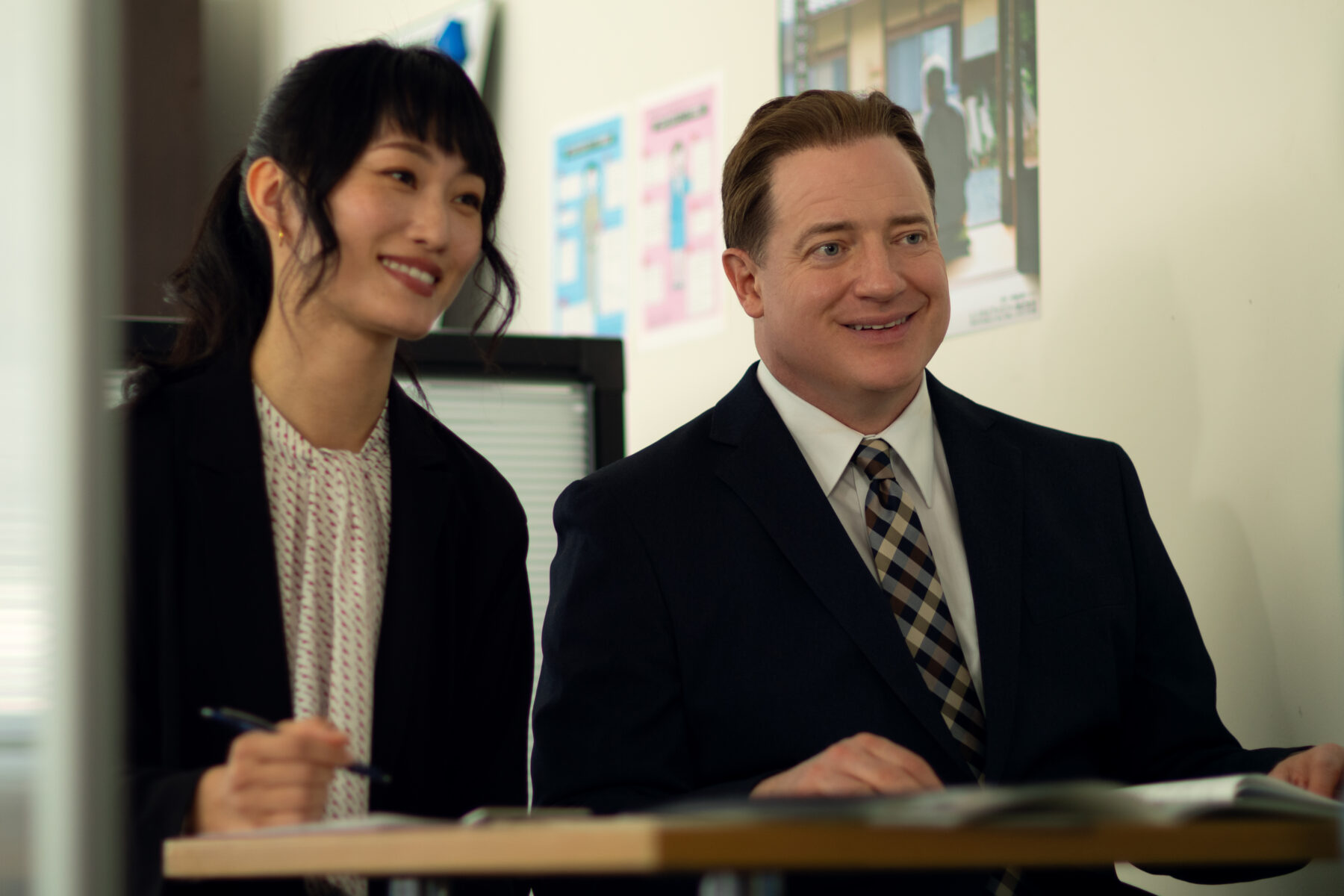
The day we were shooting the office scene where Phillip and Aiko are having the meeting for the wedding, the bride comes in.
On the way to the set, I read this article in the Japanese news, that a Japanese lesbian couple had been granted refugee status in Canada because they were facing so much discrimination from their family. One of them got fired from work for being gay. I was like, “Who in this day and age has to flee Japan because they’re being persecuted for who they are? That’s outrageous, right?” I was really upset. I went to the set, and I told Brendan, I showed him the article, and he was also really upset. We were just about to shoot the scene where he says, “What are we doing?” and I say, “You remember? You’re Scottish, and you’re moving to Scotland.” That was the scene, and he was going to do this amazing Scottish accent. But then we thought, this is happening in real time. These are real people. Let’s make it Canada, it lines up with what we just read and what’s going on in the world.
I think knowing that there are real people who suffer from these situations, I think that really dropped it in for me. Reading that article and why she’s doing this job, and the impact that she can have if she does this job, brought it home for me really hard.
Aiko’s job is certainly not without its challenges. There are uncomfortable moments in the film involving physical assault, where she pretends to be a mistress apologising to the upset wife of an unfaithful husband.
She cares, and she cares the most about her clients. The apology service part of the job is not something she agrees with, obviously. It’s so degrading, and it’s so humiliating, and it goes against her principles, but at the same time, this is the most popular service, and it’s the moneymaker in a way. In order to be able to help the people who really need it and to keep the business going, she feels like she has to take one for the team, and for a long time, she justifies it like this.
I think in both scenes where she goes for the apology, you see that she tries to transform herself, with the wig, with the makeup, with the clothes. She’s telling herself, “I’m not me, this is not happening to me, so it’s okay.” But it clearly takes a toll because it is her at the end of the day. Then, I think that what happened to her before coming to the rental family, she blames herself for it to an extent. So there’s a little bit of self-punishment that she lets people treat her like that. She’s allowing this to happen to herself. This all comes to a head when she realises, when Brendan’s character Phillip, tells her “that’s not okay.” That allows her to say, “yeah, it’s not okay,” and that “if I can’t take care of myself, I can’t really take care of other people either.” That becomes the catalyst to stand up for herself.
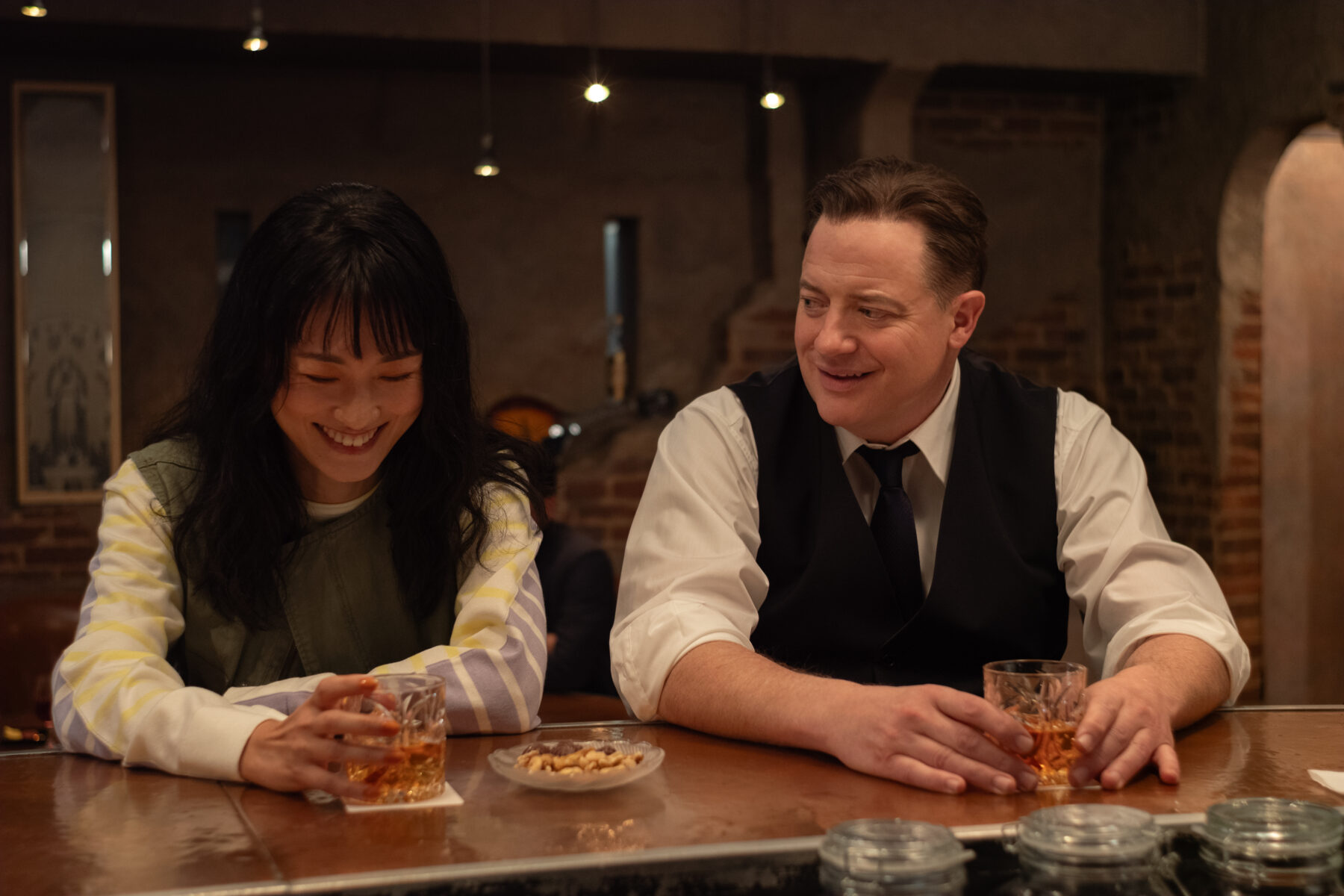
I love the bar scene between Aiko and Phillip. What starts as a light moment of commiseration turns into something much heavier for both characters. How did Hikari’s staging of that space help conduct such an intimate interaction?
In the bar scene after Aiko gets slapped, where she’s commiserating with Phillip, and he asks her about being slapped, I just thought that it was going to be her trying to brush it off. Then Hikari, at the last minute, added this line that Brendan says, “Are you in some Tokyo faito kurabu [fight club]?” Brendan decided to say it in, like, the Japanese way, which I thought was so funny. But as Aiko, it made me think that, “ooh, if I make it a joke, maybe it’ll be okay.” I was just gonna say “angry housewife”, as in, matter of fact, you just brush it off. I thought, “Oh no, but if I make it a joke, it won’t be as bad.” So I said it in the Japanese way as well, saying “angry hausuwaifu.” Saying it out loud made it even worse, and it hit even harder. So the rest of the scene became really hard for me to hold in because of Brendan’s tenderness, and saying it out loud became real and not okay. The realisation really happened at the end of the scene after that moment. That was really interesting.
Did you have any discussions with Hikari regarding the cultural nuances of your character, and the worldbuilding of Rental Family, for a global audience outside of Tokyo?
It’s such a beautifully woven tapestry of the Tokyo you imagine, and also the real Tokyo as well, but they’re both real at the same time. The scene with Brendan looking out into the apartment buildings, it’s so beautiful, that’s a slice of life of Japan that Westerners probably aren’t really familiar with. I love how she did that with such tenderness.
I think that there’s so much imagery of Tokyo out there right now. Everybody and their grandma is going to Tokyo because it’s the place to be, and it’s cheap and so on. For me, watching the film, there is imagery that feels really familiar to the Western audience, which is what everyday Tokyo people see. I walked through this Shibuya Scramble Crossing every day as a teenager; that was just my life, and now it’s become like a tourist spot. But that’s just part of life for us, so there are those moments and scenery frames that feel really familiar to universal audiences. At the same time, gorgeous hidden spots in Japan that only locals would know and that would be so refreshing to a Western audience.
Early on in the film, there’s a fun montage that hints at all the roles the rental family plays, including a blink-and-you’ll-miss-it moment of Aiko in a concert dance context. What’s the story behind that cutaway?
It doesn’t get much play in the film, but the karaoke scene where I’m dancing in the 70s getup is actually a famous Japanese girls duo called Pink Lady. They were so iconic. They wore these incredibly sexy, fun costumes, and they had these songs, like ‘UFO’, and they had all this iconic choreography that every Japanese person knew. The story about that scene is that the older lady that I’m dancing with, she grew up wanting to be like them, but she could never be, like, a girl idol. So she hired me to pretend to be in a girl group with her and have a fake concert. For that scene, I practised dancing for, like, two months, and we performed the whole song. When the day came, they had this incredible fun set, and all the rental family members were dressed up as fake audiences. That was a really sweet memory.
What did working on Rental Family teach you about relationships and empathy?
I hope that people feel encouraged to ask for what they need a little bit more, there’s so much trepidation, how you relate to people is becoming so complicated now. What you can ask for, and what’s too much, there’s so much that you have to think about. But at the end of the day, what people want is simple. You want to be connected. You want to be useful. I was inspired by this film to be open about what I want, ask for things that I want, and also to go the extra mile, to step out of my comfort zone. To be there for someone, to offer. If you offer, you’ll find that people are open to it too. Somebody said something beautiful to me, that love is all around you if you’re open to it. That’s what this film is about, and I want to carry that forward in my life.
Rental Family is in UK cinemas now
Words – Douglas Jardim
Profile Photography – Catie Laffoon


