Tiana Major9’s circuitous route to their debut album taught them one thing: just do it yourself. Now, ahead of its arrival, the R&B luminary tells Wonderland why, at its core, it’s all about love.
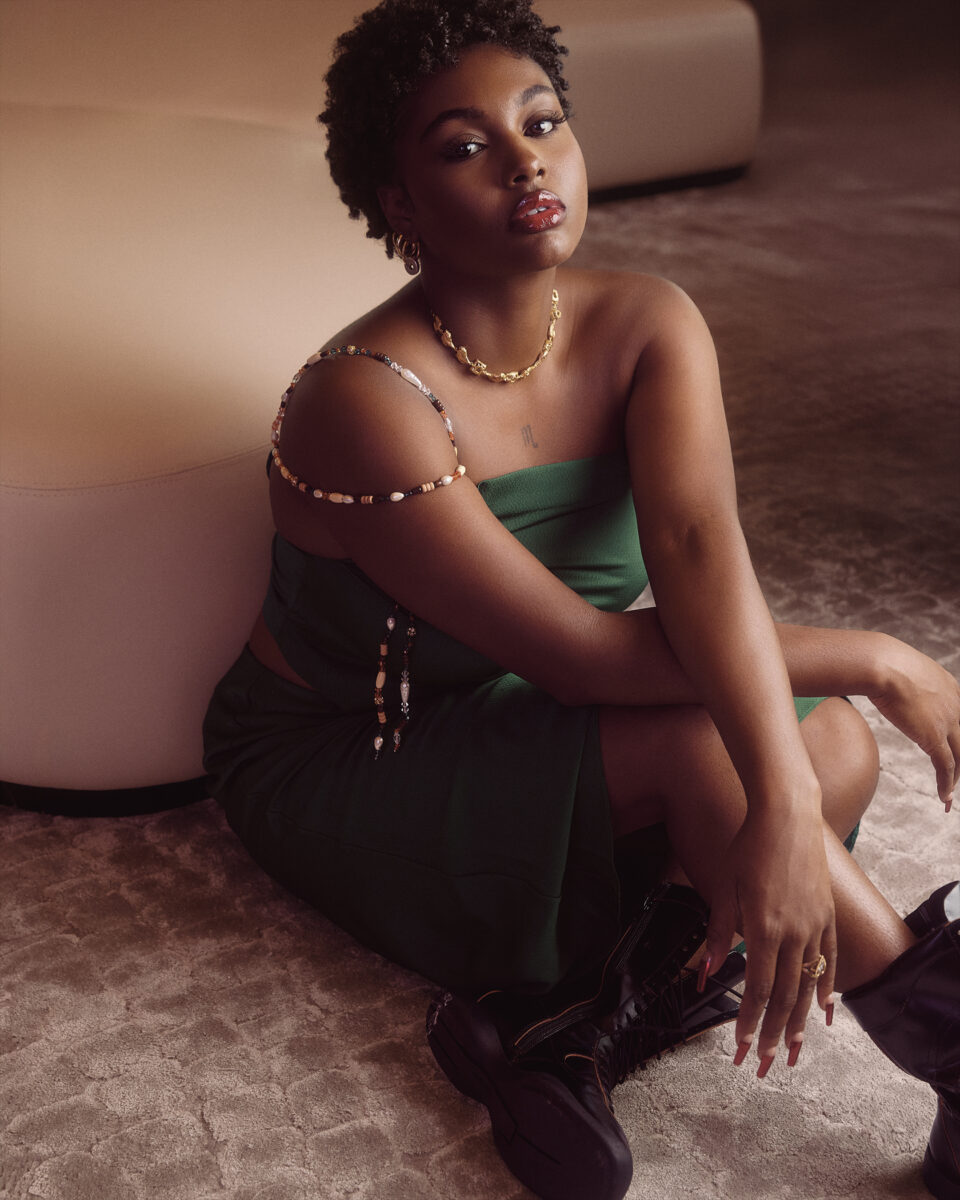
At an after-school club in east London, a VCR tape slides into an old TV set. The machine whirrs, flickers and there on screen is a recording of MTV Base, pumping out early noughties R&B and hip hop. Two girls watch on. One of them is Tiana Thomas-Ambersley. “In school it was iPods,” adds Tiana when they join our call from their phone. “I would swap iPods with my friends and that’s how I would discover music.” Tiana’s listing off forgotten forms of media because I’ve asked about their earliest musical memories. Was all of this written in the stars? The simple answer is yes. Though they’re less likely to be parked up in front of the telly watching Ashanti videos these days, the throughline’s the same: music.
Tiana, who now goes by the moniker Tiana Major9, is a little distracted on the day of our interview. They’re in Los Angeles prepping for more press and as they move from room to room, grabbing makeup and assembling an outfit, it’s as if we’re getting an impromptu tour of their LA digs – like Architectural Digest by way of intermittent WiFi. They turn their camera off when it’s time to get into the meat and bones of glam. Should I turn mine off too? Probably. This isn’t about me.
We’re here to chat about Tiana Major9’s debut album, November Scorpio. Out February of next year, it’s a record about love: Queer love, self-love, and Tiana as a lover. “I talk about my love being really passionate,” they explain. “It can be really intense.” November Scorpio is also about money. ‘Money talks / and money walks / if you don’t treat money right,’ they sing on the album’s third track, where a lo-fi melody of pluck-y guitar puts Tiana’s whispered vocals at the forefront. Think Sade meets one of those manifestation videos you stumble across on Instagram at 2am. Was that an intentional reference? “That’s what I tried to do with the last verse,” Tiana says. “I was like, I’m open and when I’m ready for it, I’m sure money will come back.” It’s a reality check in the middle of romantic delusion, they explain. “That delusion of being so in love with someone that you’re just wanting to give them everything.” Financial literacy isn’t typical R&B subject matter – that’s usually reserved for love and heartbreak. But it’s part of November Scorpio‘s broader arc, one that took years to crystallise.
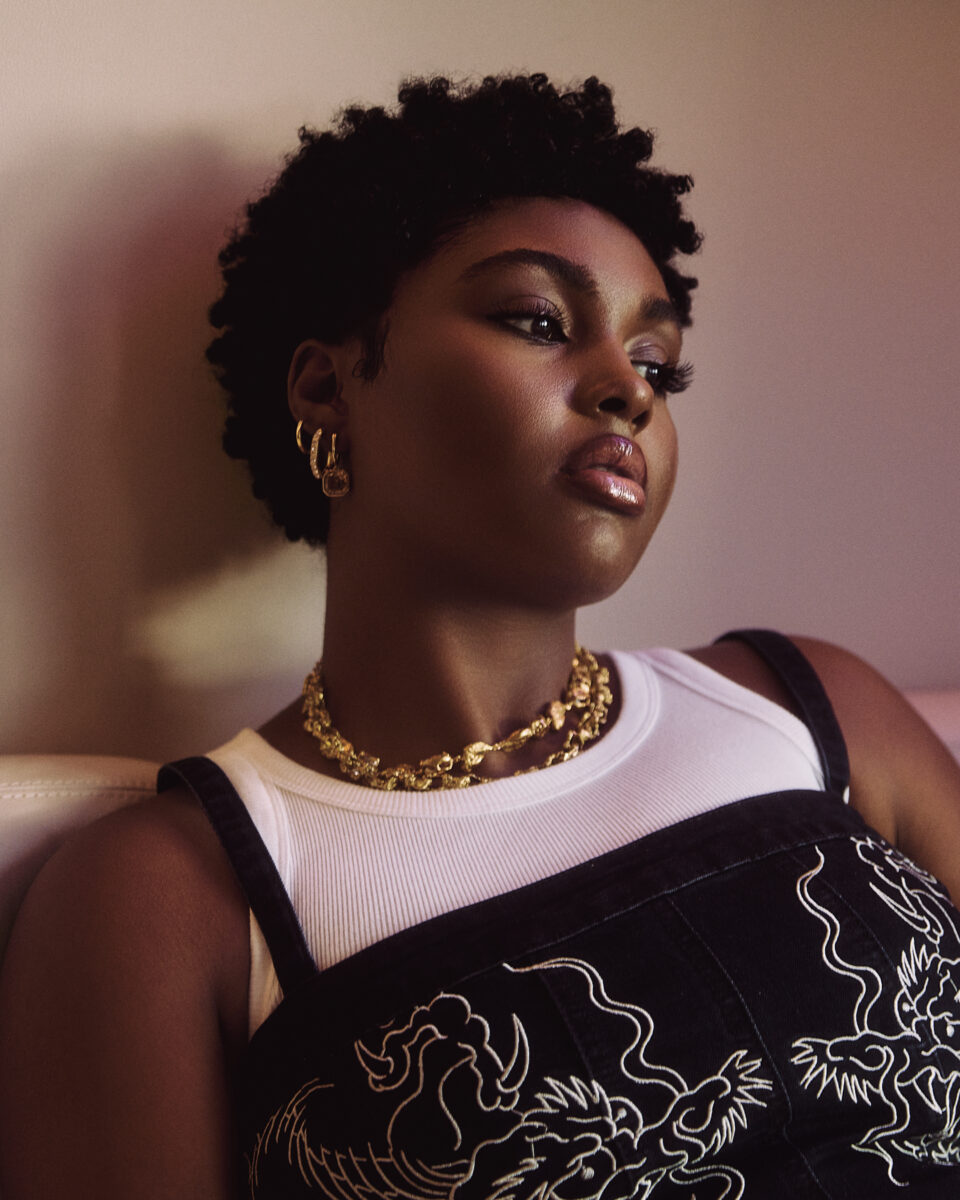
“It’s been a different project at many points,” Tiana tells me. “But it became November Scorpio because I went from being a major label artist to an independent artist.” That major label was Motown, which Tiana signed to in 2019. Later that year, they released “Collide” (featuring EarthGang) for the Queen and Slim soundtrack. It earned them a Grammy nomination. “It was a great time,” they muse. “To this day, people still request that song and tell me about how it got them through the pandemic. And it was attached to such an important movie, Queen and Slim. That was really, really impactful, especially at the time of George Floyd.”
Tiana, as they put it themselves, had a “fast track into the inner workings of the industry,” but with that came a swift, unexpected exit. They’ve never detailed exactly why Motown let them go, though a TikTok about releasing “the amazing music your major label didn’t understand” hints at a creative mismatch. “I couldn’t even get through to the label. I went from having a team to not having anybody to contact,” they explain. “I was getting more money than I’ve ever seen. It wasn’t even a crazy amount, but it was more money than I’ve ever been exposed to. And it just dried up at one point.”
November Scorpio took a lot of honing, but without label execs in the mix, Tiana had the freedom to be fully themselves. “I stopped using pronouns for a while after I had a song called “Mr. Mysterious”,” they tell me. “That’s when I was dating guys. But then I was like, I actually don’t want to put ‘him’ or ‘Mr.’ in a song. I don’t want to do that.” With “Desire”, you hear that shift. Unapologetic with their queerness, Tiana doesn’t hide who they’re singing about. ‘I ain’t trying to steal your girl’s thunder / But seeing you together make me wonder / Yeah she may be hot but I’m the coldest,’ they sing over a sexy D’Angelo-esque groove. “I just wanted to be myself,” they explain.
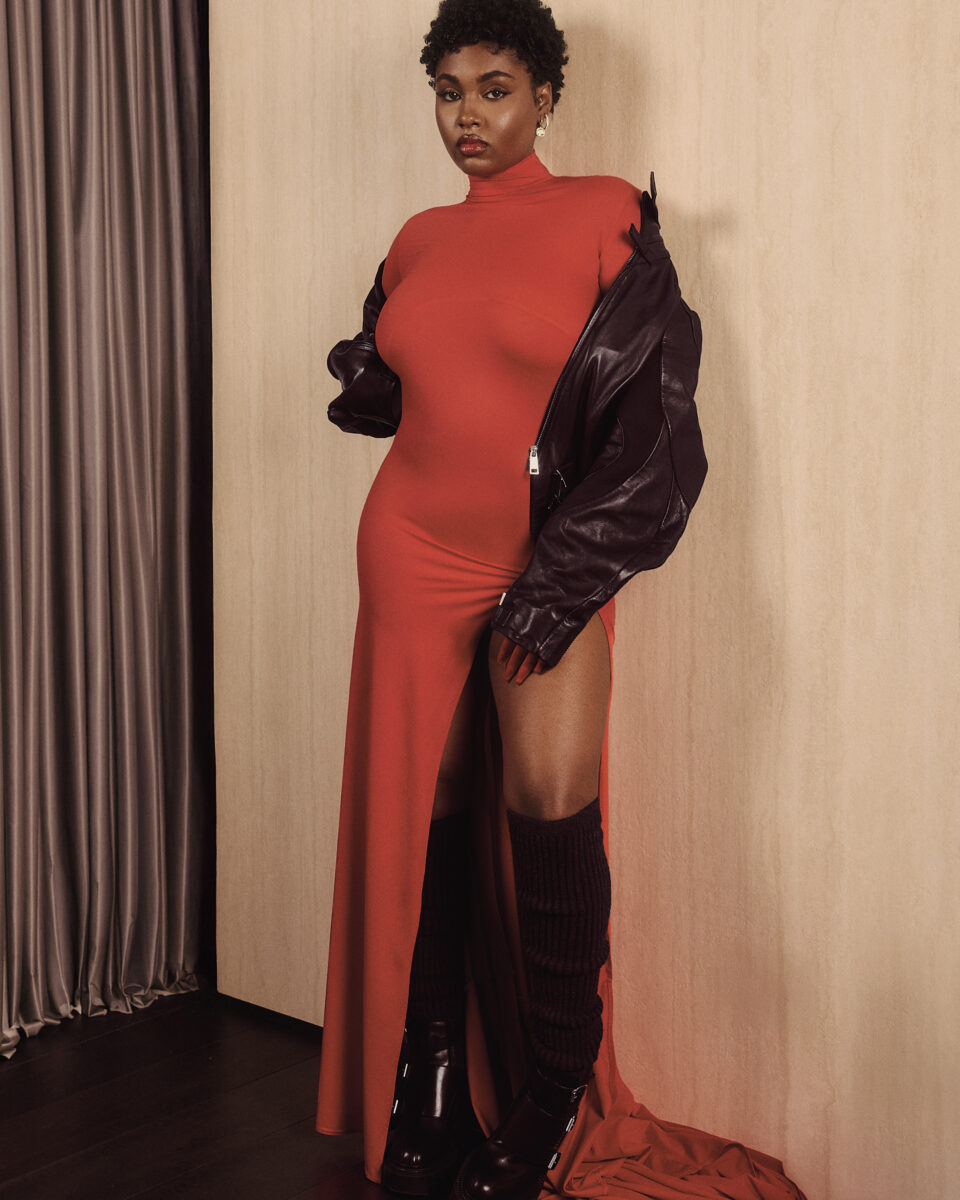
Still, Tiana’s quick to assert that they “never approached [November Scorpio] as a “queer album.” “It just is,” they continue. “That’s my experience.” Tiana is precise with their answers. When I call the record neo-soul, they gently correct me. “I think I’m a lot of different things. My music is definitely R&B based, which neo-soul is like a spinoff of, but there are a lot of influences in my music. Lots of jazz, gospel, hip-hop.” Take “Shook One”, for instance, where Tiana lifts a sample from Mobb Deep’s 1995 track “Shook Ones, Part II”. I tell them that it’s unexpected. “I think that song is important because I don’t think my music just sits in England,” they explain. “I think I’m a global artist. And using that sample solidified that for me.”
I put the big beats of the interview aside for a moment. How is Tiana actually finding Los Angeles? “You know, as a British person, it’s kinda like chalk and cheese,” I say. “Yeah. I’m not sure if this is my vibe,” they laugh. “Yesterday I left my phone in my manager’s car and he just zoomed off. It was like slow motion. Then I started to panic because I was like, how the fuck am I gonna get home? He left me in Melrose.” You’ll be glad to know Tiana did get home. “I made it back because I’m from London. My goal is always to make it home.” What about the Waymos, I ask – those driverless cars? “Why would anybody want to do that?” they reply.
I’m not entirely convinced that it’s only Londoners that can order an emergency cab from the sticks of Melrose, but Tiana’s pull toward home is palpable. Take “GRACE”, November Scorpio’s ostensible interlude track: the outro is a voice note from Tiana’s mum. In the midst of the adoring niceties you’d expect, she tells her daughter that she’s “always praying for [them].” “Although I’m not Christian, I came from the church,” they tell me. “I fell in love with music in church. It’s such a ritual thing – praising, singing and using music as a way to minister and express gratitude.” It’s something that Tiana shares with Yebba, who joins them on “Always”. All swelling production and buttery vocal interplay, it’s the album’s most addictive cut.
But back to “GRACE” and that outro. Beyond its spiritual weight, her mum’s voice solidifies something else. “My mom, she’s British, but we’re obviously Caribbean. It was good to have her voice on the project to solidify that I’m Black British Caribbean, from East London.” It’s a hard question to resist in the age of algorithm-driven melodies and TikTok-heavy promo: is this a good time to be making music? “I think I’m in the right era for me,” Tiana reflects. “Sometimes I romanticise other eras, but I know it would’ve been more challenging as a Black artist. I’m an independent artist and a queer person too. So yeah, I think I’m in a good place.” I’d agree. They are in a good place and they got there themselves. More to the point, they did it without ever hopping into a Waymo.
Photography by Dean Ryan McDaid
Styling by Abigail Hazard
Words by Amber Rawlings
Hair by Amirah Haliyah
Make-up by Jesse Walker using Rhode
Photography Assistant Martin Buckley
Fashion Intern Jenny Li
Videography by Jay Sentrosi
Special Thanks to art’otel London Hoxton