DEELA, the artist defining Wicked Babe Music, talks Lagos, moving to the UK, collaboration, and her new EP.

With a sound she’s dubbed “Wicked Babe Music”, DEELA is carving out her own lane; fierce, unapologetic, and impossible to ignore. Inspired by the commanding presence of Nollywood icon Patience Ozokwor, the Lagos-born, London-raised artist blends sharp lyricism, club-ready beats, and raw vulnerability into music that feels both defiant and deeply human. Ahead of her bold new project “Wicked,” DEELA opens up about identity, independence, and the power of creating spaces where women take up room without apology.
Read the interview…
So, “Wicked” is coming this October; it’s a bold title for a project. What’s the story behind it?
My music is bold, both in its production and lyrics. I also love how the word ‘Wicked’ can mean both evil but still alluring and daring. I can be a wicked babe as well.
You’ve described your sound as “Wicked Babe Music,” inspired by Nollywood villain Patience Ozokwor. What does it mean to embody that energy as an artist – and as a woman in music?
When I’d watch Nollywood films, Patience Ozokowor just stood out as a boss. She always played characters who were unapologetic and strong-willed. Even though she plays these ‘difficult’ women, she’s still soft, funny and loving to her people. I liked that a lot. As women, we are advised to shrink ourselves to pander to others, or play the “cool girl”. That sh*t gets you nowhere except taken for granted so, yeah, I’m a wicked babe by default.
How did relocating from Lagos to an all-girls Catholic school in England at age 11 impact your sense of self and your early relationship with creativity?
First of all, the culture shock was insane. In my previous school (Nigerian boarding school) I was heavily involved in drama plays, playing the violin and in the choir. Then I moved to England, and the energy was very hostile. I felt safest with my Nigerian community, so I stuck with them and strayed further from the creative things I loved because I didn’t feel welcomed into it – so I hyperfocused on academia, which I was already really good at.
You’ve released “Supreme Dee” and now ‘Slide’ – why did you choose to lead with those two singles?
“Supreme Dee” felt like a self-titled lead. I had to remind the people that I’m here and not going anywhere anytime soon. I love the production on “Slide” and it felt right to follow up with it.
Your parents’ playlists were split between Anita Baker and Kanye West. How do those polar musical worlds still echo in your work today?
To appreciate and love all types of music. It really reminds me to treat my voice as an instrument and to just simply create music with no pressure on myself.
Wicked blends spiritual introspection with club-ready beats. How do you balance emotional vulnerability with sonic confidence in your music?
I tap into my emotions the moment I get into the studio. I love listening to songs that make me dance with lyrics that tell a story so that’s what I did with this mixtape.
A huge milestone in your career was, “Good Girl Dey No Pay” . What feels like the biggest risk you took on that project?
I was so nervous putting the first single (“Patience Ozokwor“) out because it was sonically so different to my past songs. I’m glad Genio Bambino (producer) pushed me into hoping for something different.
You’ve worked closely with Genio [Bambino]. What do you look for in a collaborator and how do you protect your creative vision in those spaces?
Yes, Genio’s the best. “Good Girl No Dey Pay” was a lot of fun to make with him. When looking for a collaborator, I would like to see good synergy between us. I’m easy-going in the studio, I trust their process, and respectfully chime in. I enjoy sessions that are mixed with light conversation and making music – I don’t like it when it feels too formal.
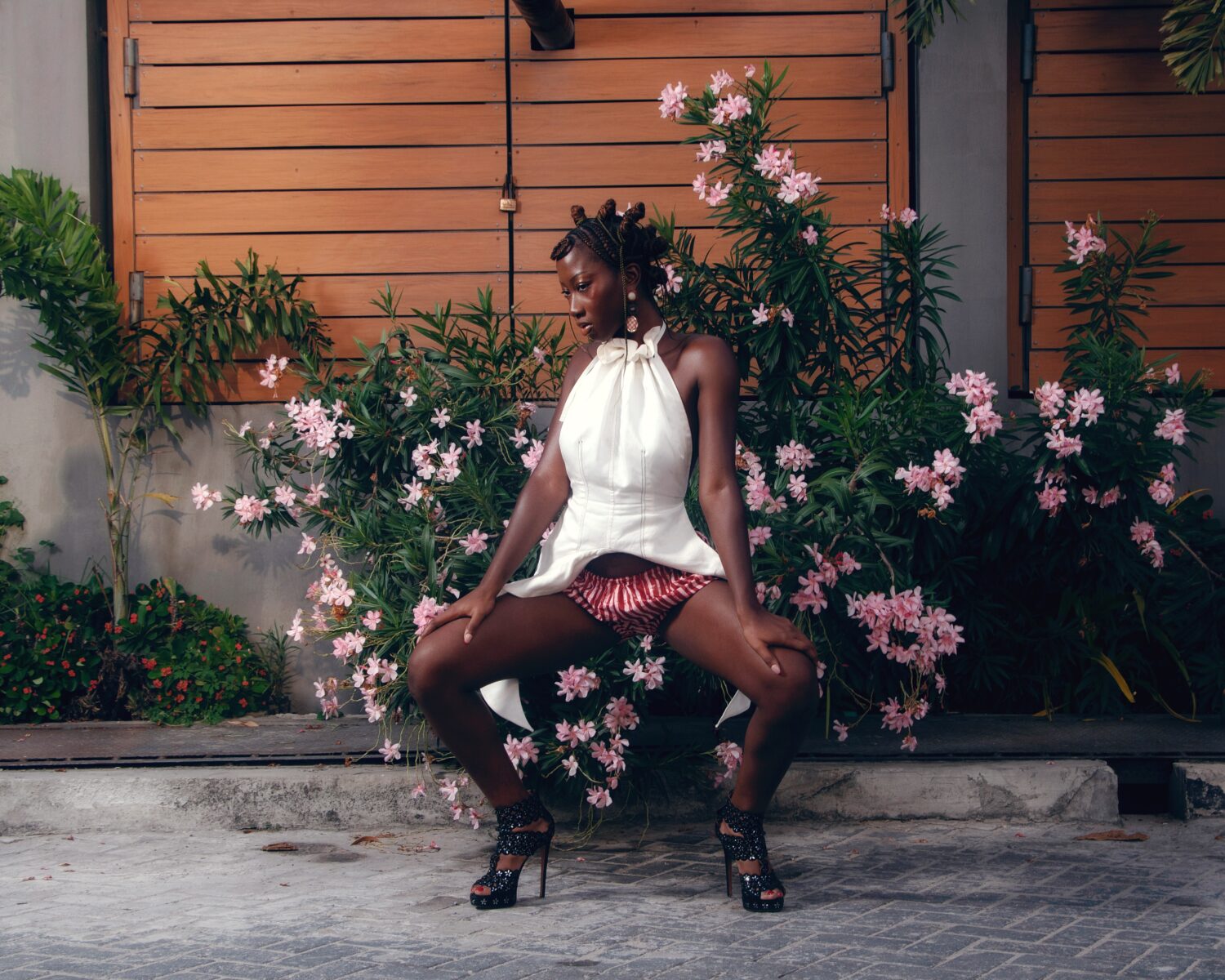
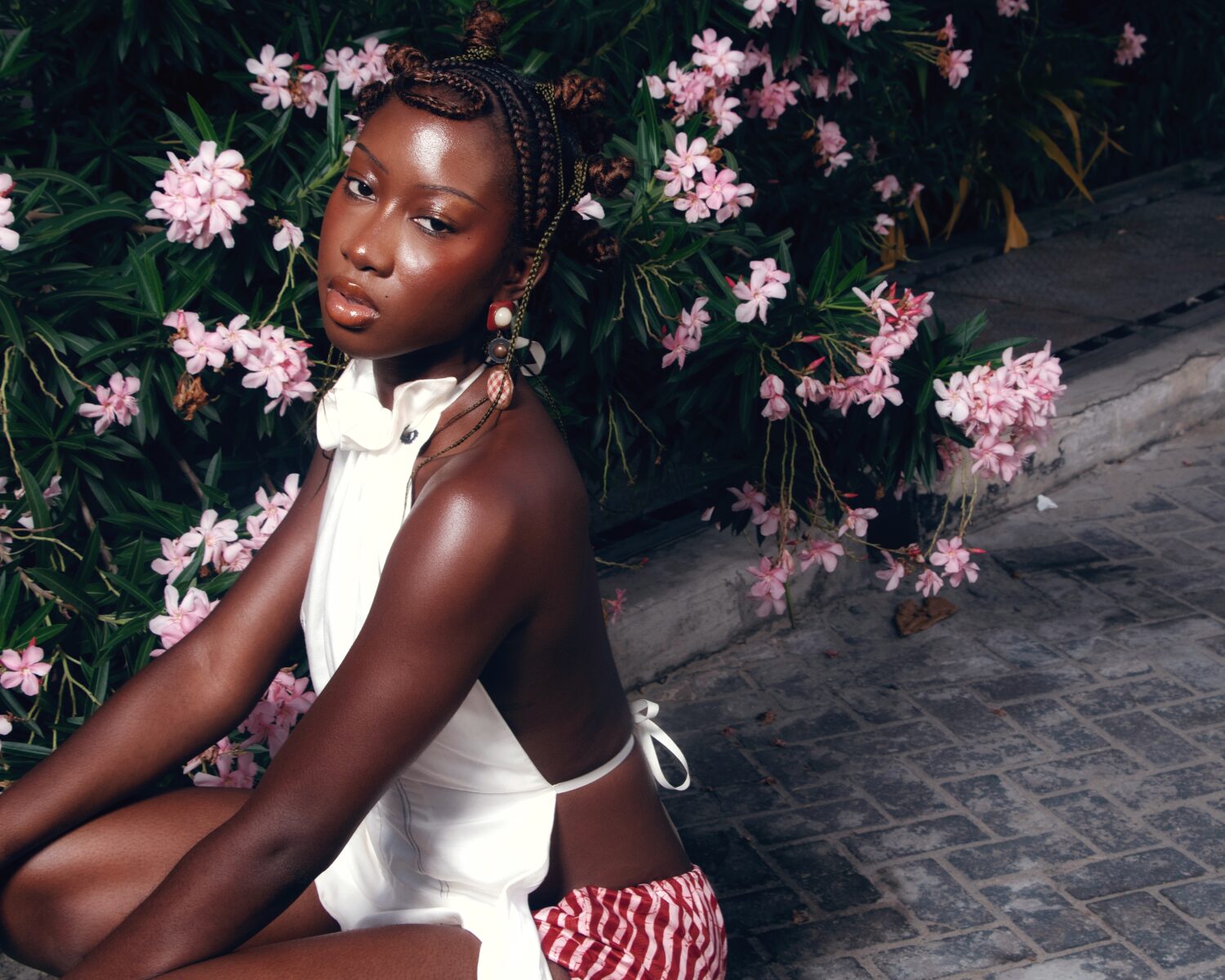
You’ve called your Mother a blueprint. How does her influence manifest sonically – or is it more about your work ethic and mindset?
Definitely in my work ethic and mindset. My mother has always told me that anything I want is achievable with hard work and discipline. Both my parents are very supportive and are a driving force behind my motivation and goals.
You taught yourself how to be an independent artist. What was the hardest part of that journey that people don’t talk about enough?
Yes, we all know money makes things accessible, but I didn’t realise the extent of it. The hardest part is visibility. You find yourself multi-tasking on things you’ve never done – I learnt how to write press releases, build a website, edit content, the list goes on. I wouldn’t change it for the world. It’s important to know how the business side of music works and what it means to properly roll out your releases. A lot of people make music, so you have to learn how to do everything to be visible!
The UK rap scene hasn’t always made space for women. How do you navigate that reality while still building community?
I just go where I’m loved! The UK deffo shows love, we just need more national and local platforms to highlight the amazing talent we have. It’s more than the music now; people want to connect with the artist they’re listening to. The reality is that I have to curate the spaces I need. I’ve hosted listening parties, free events in NYC, Lagos and London, and people always turn out.
Afrobeats is rapidly globalising. Where do you see yourself in that movement – and what do you think it still needs?
Early Afrobeats sounded so different to what it is today. I love how artists like Rema are pushing boundaries. I see myself in that category, too. I’m fusing the elements you’d hear in early afrobeats with the Rap music I loved listening to when I was growing up. Afrobeats just need trailblazers, and it’s going in the right direction for sure.
If your younger self could hear “Wicked,” what do you think she’d say?
You’re a genius!
What’s something you want to do outside of music that would surprise people?
I would love to be in advertising rooms, contributing silly ideas. I love the process from ideation to execution.
Photography – John Peter Chuwu
Styling – Tio Heart Enitan


